Buying a second-hand sofa? Find the fire label before you pay
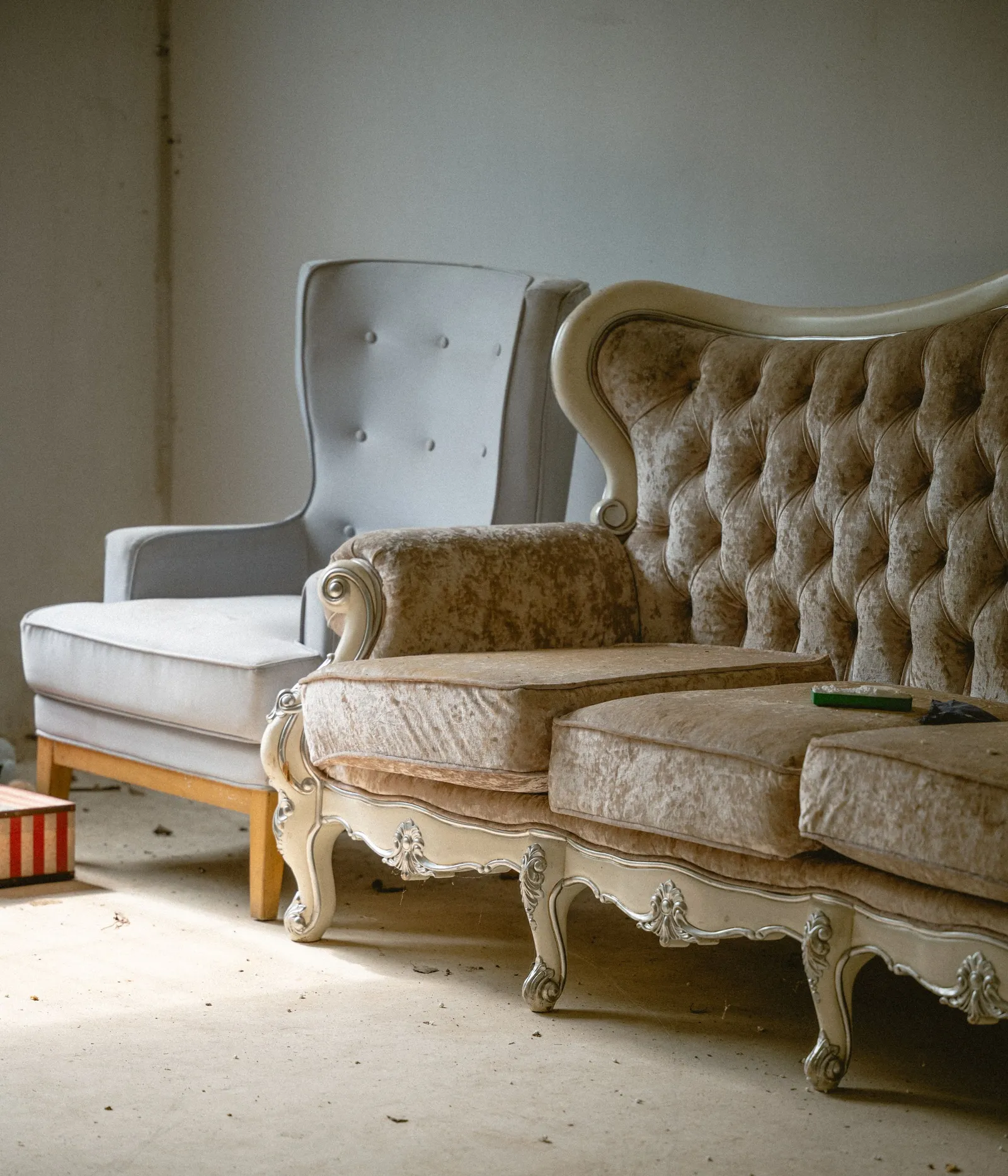
A second-hand sofa is one of the best bargains going. New ones cost hundreds, and a decent used one can be had for the price of a van. But upholstered furniture comes with a rule that clothes don't, and it decides who's allowed to sell you what. Here's what the fire label is, where to find it, and what else to check before you hand over the cash.
The label you're looking for
Since the late 1980s, upholstered furniture sold in the UK has had to pass fire tests on its foam, filling and cover fabric. The proof is a permanent label, stitched on at the factory. According to the Trading Standards guide, it carries the heading "CARELESSNESS CAUSES FIRE" and a batch code that traces it back to the maker. It's usually under a seat cushion or behind a loose cover at the back.
Check how it's attached. The same guide says stitching is the best sign the label is the original, while a stapled one "may have been added at any time". A label held on with two staples on a sofa with no other paperwork wouldn't fill me with confidence.
Mattresses work slightly differently. Look for a label saying the mattress meets BS 7177.
You may also remember the big swing tag that came with new furniture. That was the display label, and the government scrapped it from 30 October 2025. The permanent label is still required, so don't worry if the tag is long gone. Worry if the sewn-in one is.
Why the charity shop said no
If you've ever tried to give an armchair to a charity, you'll know they ask about the label before anything else. The British Heart Foundation, which runs a free furniture collection, lists upholstered items without fire safety labels as something it can't accept, along with cushions, cushion covers and fitted upholstery covers unless they carry fire labels too.
That isn't fussiness. A charity shop, a dealer, a vintage furniture shop or an auction house is selling in the course of business, and used furniture sold that way has to meet the same standards as new. No label means they can't show it does, so the sofa goes to the tip.
Why Marketplace is full of sofas with no label
Scroll Facebook Marketplace or Gumtree and you'll see plenty of sofas with the label cut off or never mentioned. That's because the product safety rules under the Consumer Protection Act only cover supplying goods in the course of a business. Someone selling the settee out of their own front room isn't doing that.
So buying an unlabelled sofa from a private seller is legal. It just means you're taking their word, or nobody's, that the foam inside passed the tests. My view is that for a cheap modern sofa it's worth asking for a photo of the label before you hire a van. Anyone who has one can find it in thirty seconds.
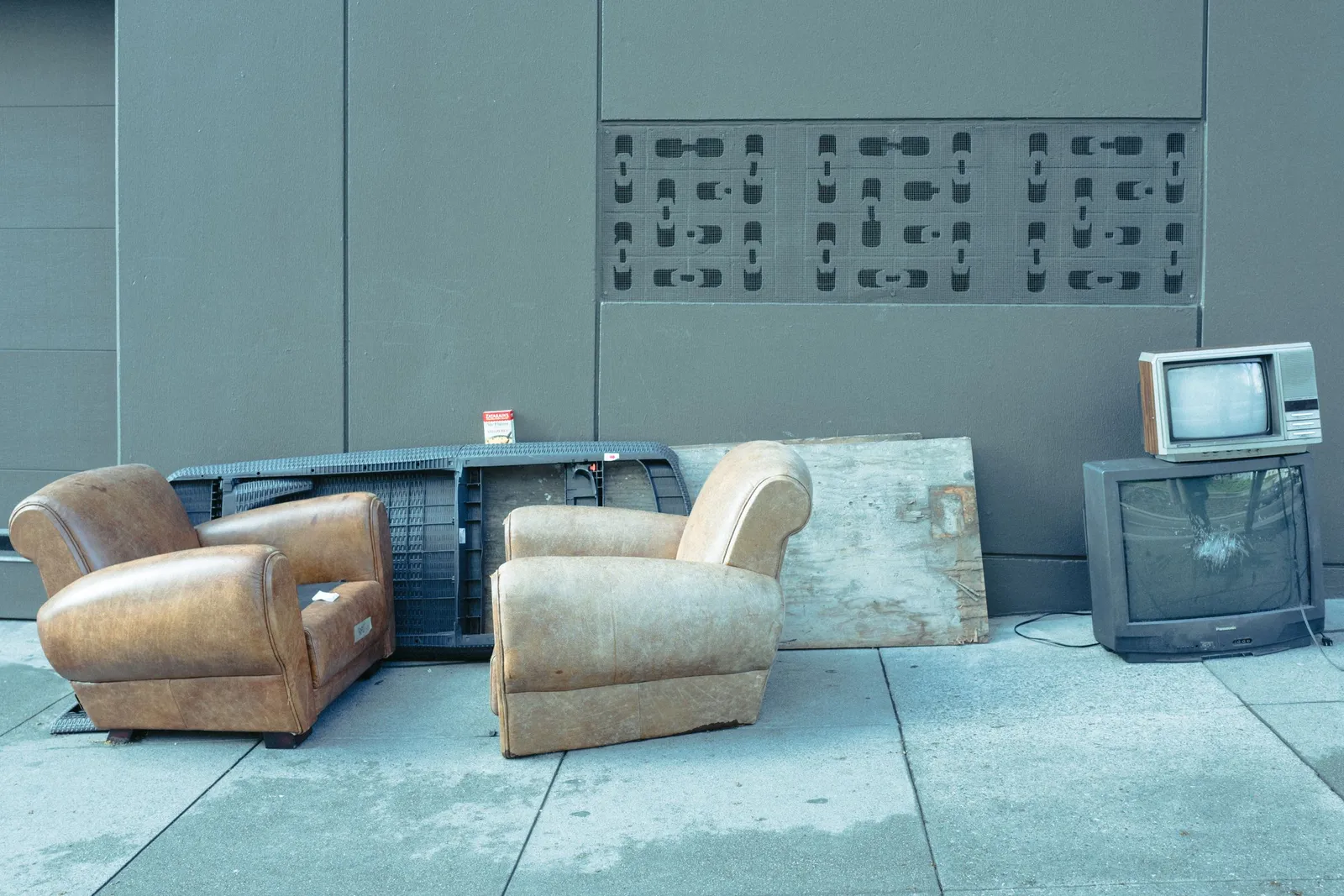
Photo: Joe Chen on Pexels.
The awkward bit: old furniture
Furniture made before 1 January 1950 is exempt, so a proper antique chair won't have a label and doesn't need one. The trouble is the stuff in between. Pieces first sold between 1950 and 1988 were never tested to these standards, and the government's 2026 consultation admits they aren't labelled. That's why a lot of mid-century armchairs reach the shops reupholstered, or not at all.
The same consultation proposes taking second-hand furniture out of these rules altogether and covering it with general product safety law instead. It closed in June. As of October 2026 the government says it's still analysing the responses, so for now nothing has changed.
Before it goes in the van
The label is the legal bit. The rest is about not bringing home a dud.
Bed bugs come first. The NHS says to check second-hand furniture carefully before bringing it indoors. Look along the seams and under the cushions for small brown spots, and if you see them, walk away, however good the price.
Then lift one front corner a few inches off the floor. If the other front leg stays put or the whole thing creaks and twists, the frame's gone, and no amount of new cushions will fix that. Press into the seats too. Foam that's gone flat and crumbly is expensive to replace, so price it in.
Unzip a cushion if you can. It tells you what the filling is like and whether the covers come off for cleaning, and it's often where the label hides.
Last of all, measure. Get the depth and height of the sofa, then the width of your front door, the turn of your stairs and the doorway it's going through. A bargain stuck in the hallway is just a very large draught excluder.
When you sell it on
Whatever you buy, leave the label where it is. One day you'll want rid of it, and a sofa with its label can go to a charity collection or a shop. Without it, you're down to a private sale, giving it away, or the tip.